
Opportunities for Growth in Africa’s Agricultural Sector
How Technology Bridges the Gap Between Farms and Markets
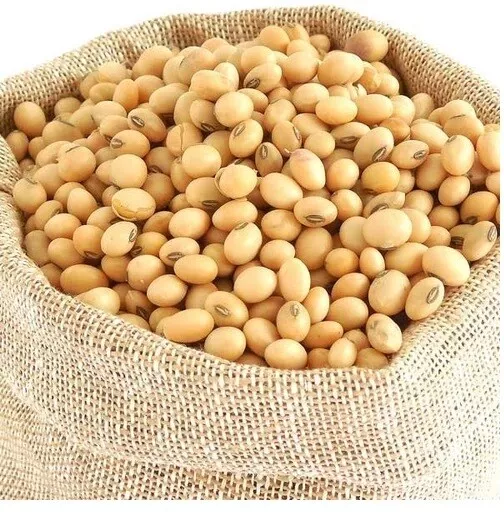
Soya beans have become a key commodity in the global agricultural market, with growing demand for soya-based products across the food, feed, and biofuel industries. For African farmers, soya beans represent an important opportunity to tap into international markets and improve their livelihoods. However, several challenges must be addressed to fully realize this potential.
Global Demand for Soya Beans
Soya beans are one of the most widely traded agricultural commodities, with the majority of production concentrated in countries like the United States, Brazil, and Argentina. However, demand for soya beans and their derivatives—such as soya meal and soya oil—is increasing in markets around the world. Key drivers of this demand include:
- Growth of the Plant-Based Protein Market: As consumers shift towards plant-based diets, soya beans have become a leading source of protein in vegan and vegetarian products such as tofu, soya milk, and meat alternatives.
- Feed Industry: Soya bean meal is a key ingredient in animal feed, particularly for poultry, pigs, and dairy cattle. The expanding livestock industry in developing countries is driving demand for soya-based feed.
- Biofuels: Soya oil is also used in the production of biodiesel, which is becoming a significant market as the world moves towards renewable energy sources.
Opportunities for African Farmers
For African farmers, there are growing opportunities to capitalize on this global demand. The African continent has vast arable land suitable for soya bean production, and increasing international interest in African-grown crops presents a pathway for farmers to access export markets. Key opportunities include:
- Export Markets: African farmers can tap into the growing demand for non-GMO soya beans in Europe and parts of Asia, where consumers prefer organic or sustainably grown products.
- Value-Added Products: By processing raw soya beans into products like soya meal or oil, farmers and agribusinesses can capture more value and access higher-margin markets.
Challenges Facing African Farmers
Despite the opportunities, there are significant challenges that African farmers must overcome to compete effectively in global soya bean markets. These challenges include:
- Infrastructure and Logistics: Inadequate transportation and storage infrastructure can lead to high post-harvest losses and increased costs for exporting soya beans to international markets.
- Quality Standards: Meeting the quality and safety standards required by international buyers is often a barrier for smallholder farmers who lack access to proper processing and certification.
- Access to Finance: Many farmers struggle to access the credit needed to invest in high-quality inputs, mechanization, and value-added processing equipment, limiting their ability to scale up production.
Conclusion: Seizing the Opportunity
To fully capitalize on the global demand for soya beans, African farmers must address these challenges by improving infrastructure, accessing finance, and adopting modern farming practices. Agrigm Technologies is committed to supporting farmers through training, market linkages, and value-added processing, helping them seize the opportunities in the global soya bean market.