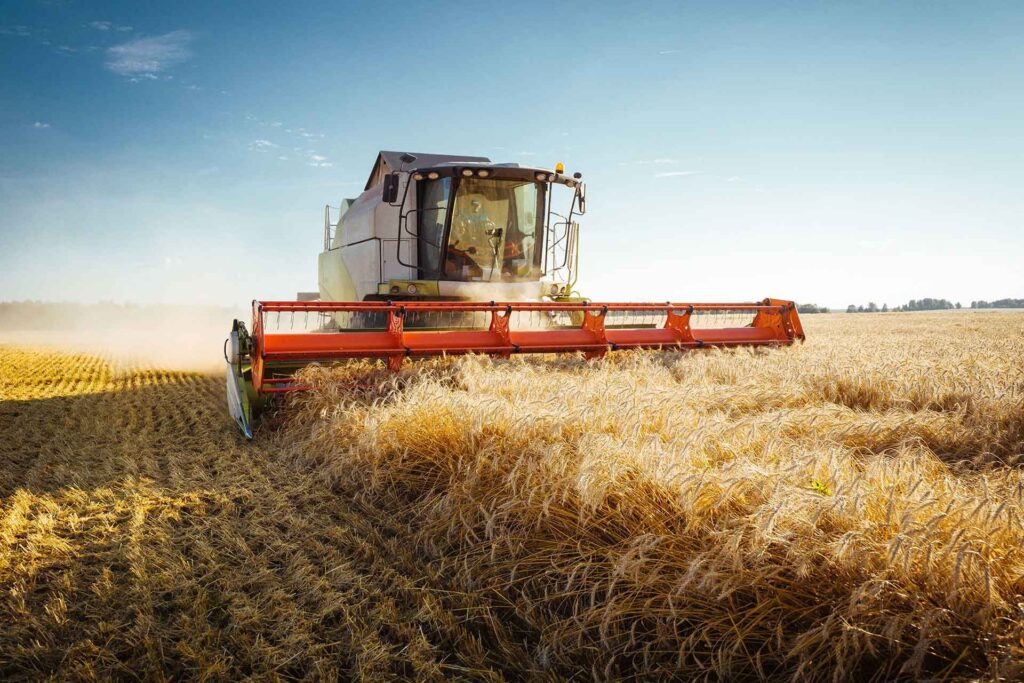
Agriculture is a major contributor to greenhouse gas emissions, particularly through practices such as deforestation, overuse of chemical fertilizers, and intensive livestock farming. However, adopting sustainable farming practices can significantly reduce the carbon footprint of agricultural activities, helping to mitigate the impact of climate change.
One of the most effective ways to reduce carbon emissions in agriculture is by transitioning to regenerative agriculture. This approach focuses on improving soil health, which in turn helps sequester carbon from the atmosphere. Practices such as no-till farming, cover cropping, and the use of organic fertilizers increase the amount of carbon stored in the soil, reducing the overall carbon footprint of farming operations.
Livestock farming is another area where emissions can be reduced. Rotational grazing, where livestock are moved between different pastures, helps maintain healthier soils, reduces methane emissions, and prevents overgrazing. Additionally, integrating livestock with crop production systems allows for more efficient use of land and resources, further lowering the environmental impact.
Water management is also crucial in reducing the carbon footprint of farming. Efficient irrigation systems, such as drip irrigation, not only conserve water but also reduce the energy needed for pumping and distributing water. By using water more judiciously, farmers can decrease their reliance on fossil fuels, which are often used in traditional irrigation systems.
Finally, adopting renewable energy sources on farms, such as solar panels, wind turbines, and bioenergy systems, can drastically cut carbon emissions. These energy systems power farm equipment and operations in a cleaner, more sustainable way, reducing reliance on non-renewable fossil fuels.
In conclusion, sustainable farming offers practical solutions for reducing the carbon footprint of agriculture. By implementing regenerative practices, improving water use efficiency, and integrating renewable energy, farmers can play a pivotal role in combating climate change while maintaining productive and profitable farming system