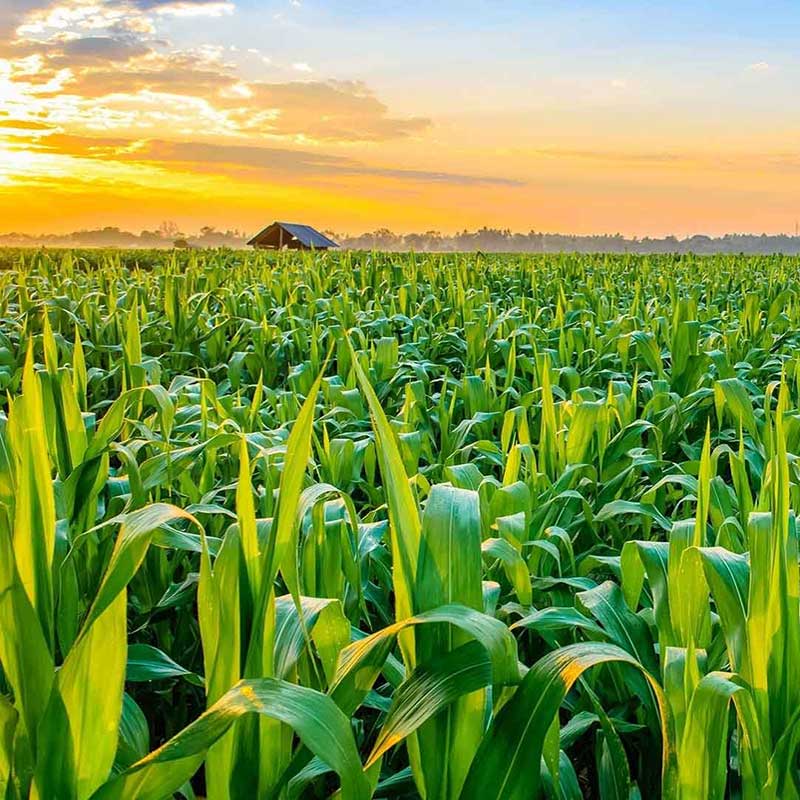
Precision farming, also known as precision agriculture, is a farming technique that uses technology to monitor and manage the variability of crops within fields. By leveraging data collected through various technologies, farmers can make more accurate decisions about the use of inputs like water, fertilizer, and pesticides, resulting in higher yields and reduced environmental impact.
One of the key components of precision farming is Global Positioning Systems (GPS). GPS allows farmers to map their fields accurately, ensuring that resources are applied exactly where they are needed. By using GPS-guided machinery, farmers can minimize overlapping applications of fertilizers and pesticides, reducing waste and lowering costs.
Another critical technology in precision farming is the use of remote sensing technologies. Drones, satellites, and ground-based sensors collect data on crop health, soil conditions, and moisture levels. This data is analyzed to detect variations within a field, allowing for site-specific management. For example, if one area of the field is underperforming due to poor soil health, the farmer can apply more nutrients to that specific area, rather than treating the entire field uniformly.
Precision farming also relies on variable rate technology (VRT), which enables the application of inputs like water, seeds, and fertilizer at variable rates across a field. This ensures that each section of the field receives the exact amount of input needed for optimal growth, reducing waste and improving crop yields.
The impact of precision farming on yields is significant. By using precise data to guide decision-making, farmers can increase crop productivity while minimizing the overuse of resources. This not only leads to higher profits but also promotes sustainability by reducing the environmental footprint of farming practices.
In summary, precision farming combines technology and data to optimize input use, improve crop yields, and reduce environmental impact, making it an essential practice for modern agriculture.